

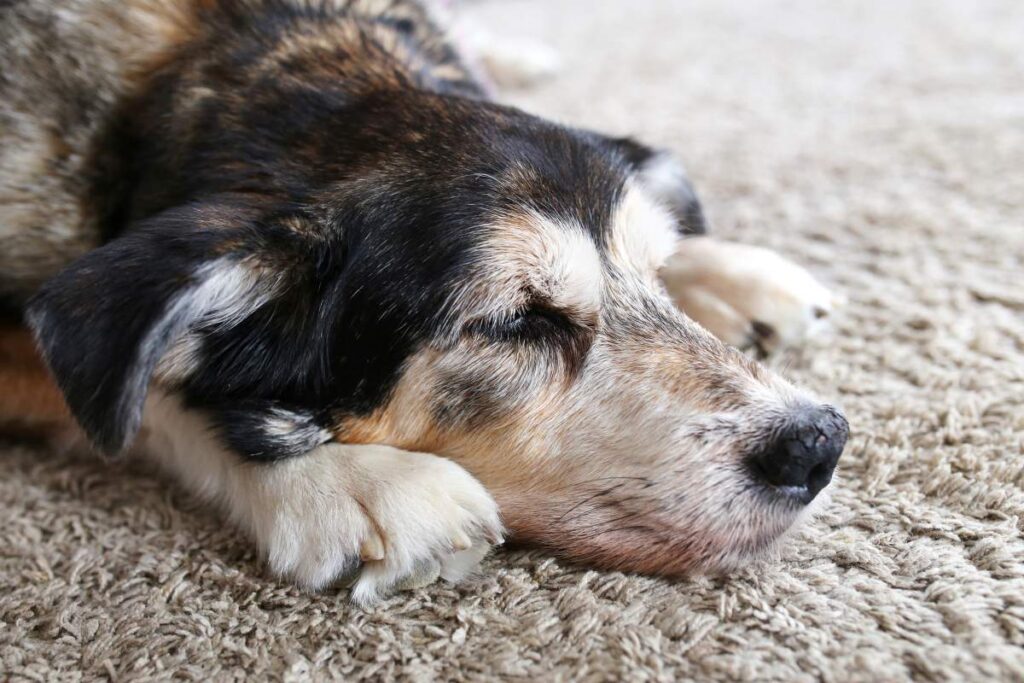
Summer warmth can become dangerous for pets faster than many people expect. Dogs and cats may overheat during exercise, in poorly ventilated rooms, on hot pavement, or in shaded outdoor areas that still lack adequate airflow.
In Youngstown, OH, summer conditions can include high temperatures combined with humidity. That combination makes it harder for animals to cool themselves, especially during stretches of still air or unusually hot weather.
How can you tell if a pet is getting too hot?
Early signs of overheating include heavy panting, excessive drooling, restlessness, weakness, and reluctance to move. A pet may also seek unusual places to lie down or appear anxious and unable to settle.
More serious warning signs include:
- Vomiting or diarrhea
- Stumbling, confusion, or unusual behavior
- Bright red, pale, gray, or bluish gums
- Difficulty breathing
- Severe weakness or collapse
- Seizures or loss of consciousness
Heatstroke is a life-threatening emergency. If a pet shows serious symptoms, move the animal into a cooler area, begin gentle cooling, and seek emergency veterinary care immediately. Do not wait to see whether the signs disappear on their own.
What is the safest way to cool an overheated pet?
Move the pet indoors or into deep shade and offer small amounts of cool, fresh water. Wet the body with room-temperature or cool water, focusing on the chest, belly, paws, and inner thighs. Air movement from a fan can help evaporation.
Avoid using ice water or covering the animal with a heavy, wet towel. Extremely cold water can cause blood vessels near the skin to constrict, which may slow heat loss. A wet towel can also trap warmth if it is left in place without being changed.
Cooling should be gradual and supervised. Even if the pet appears better, heatstroke can damage internal organs and may continue to cause problems after breathing seems normal.
When should outdoor activity be limited?
The safest exercise schedule is usually early in the morning or later in the evening, before or after the hottest part of the day. On humid days, even moderate temperatures can be risky because dogs cool themselves mainly through panting, which is less effective in humid air.
Shorten walks and outdoor play when the weather is hot. Bring water and take frequent breaks. A dog that continues running, chasing, or playing may not stop when needed, particularly when excited.
A simple pavement test can help: place the back of a hand against the surface for several seconds. If it is too hot for a person’s hand, it may burn a dog’s paw pads. Grass, shaded paths, and cooler surfaces are safer choices.
Cats that spend time outdoors also need access to shade, water, and well-ventilated resting areas. Outdoor cats may hide under vehicles, sheds, decks, or other structures, so check carefully before moving equipment or starting a vehicle.
Which pets face the greatest risk?
Some animals can overheat with less exertion or in milder conditions. Increased-risk pets include:
- Short-nosed dogs and cats
- Older animals and very young puppies or kittens
- Pets that are overweight
- Animals with heart, lung, or airway disease
- Pets with thick or heavy coats
- Dogs that are not acclimated to warm weather
- Animals recovering from illness or surgery
A short coat does not eliminate heat risk. Body size, age, health, humidity, activity level, and access to water all matter. Never assume that a pet is safe simply because the animal has tolerated warm days in the past.
How should a home be prepared during a heat wave?
Keep indoor pets in the coolest practical part of the home and provide several water sources. Refresh bowls often, since animals may drink more during hot weather. Wash bowls regularly and place them where they cannot easily be tipped over.
Close blinds or curtains on sunny windows during the hottest hours. Fans can improve air movement, but they should not replace air conditioning or another reliable cooling plan during extreme heat.
Pay attention to indoor spaces that can become much warmer than the rest of the home, including enclosed porches, garages, sheds, laundry rooms, and upstairs areas. A shaded room may still become unsafe if ventilation is poor.
If electricity fails during a hot spell, relocate pets to the coolest safe area available. Battery-powered fans, frozen water bottles wrapped in a towel, and additional drinking water may provide temporary support, but animals should not remain in dangerously hot conditions.
Why should pets never be left in a parked vehicle?
A parked vehicle can become life-threatening within minutes, even when the windows are partly open or the vehicle is parked in shade. The interior can heat rapidly, and cracked windows do not provide enough ventilation to make the space safe.
Do not leave a pet alone in a vehicle for errands, appointments, or short stops. The risk is present on days that feel merely warm, not only during extreme heat advisories.
If an animal is seen in distress inside a vehicle, contact local emergency services and follow their instructions. Avoid putting personal safety at risk by attempting to force entry without guidance.
Do fans, cooling mats, and pools help?
Fans, cooling mats, damp towels, and shallow pools can help some pets, but they are support measures rather than guarantees of safety. A fan is most useful when the air is not already extremely hot and when the pet can move away from it.
Use only shallow water for dogs that enjoy wading. Supervise pets around pools, tubs, and other water sources because not every animal can swim safely or exit without assistance. Avoid forcing a fearful pet into water.
Cooling mats should be checked for chewing, punctures, or overheating. Some pets may prefer a ceramic tile floor, a shaded crate, or a dampened cloth instead.
What common hot-weather mistakes should be avoided?
Do not shave a double-coated dog down to the skin without veterinary guidance. The coat provides insulation and some protection from sun exposure, while shaving may increase the risk of sunburn and skin irritation.
Do not rely on thirst alone as a guide to hydration. Some pets drink less than needed, especially when distracted outdoors. Offer water before, during, and after activity.
Do not assume a backyard is safe because it has a tree or porch. Shade changes throughout the day, and surfaces such as decks, concrete, and artificial turf may retain heat.
Do not use human sunscreen, insect repellent, or cooling products unless the ingredients have been confirmed safe for that animal. Pets may lick products from their skin or paws.
How can residents prepare before the hottest days arrive?
Keep fresh water available indoors and outdoors, inspect shaded areas, and identify the coolest room in the home. Plan walks around the heat rather than trying to maintain a normal exercise routine during severe weather.
Owners should also know their pet’s normal breathing, energy level, gum color, and behavior. Recognizing a change early makes it easier to respond before overheating becomes a medical emergency.
Cats and dogs do not need to be outside to be affected by hot weather. Careful attention to indoor temperatures, hydration, activity, and warning signs can help protect pets throughout the summer.