

How Often Should Dogs Get a Bath?
Most healthy dogs benefit from a bath every one to three months, but the best schedule depends on breed, activity level, coat type, and lifestyle. For families and dog owners in Youngstown, OH, frequent weather changes and outdoor activities can make finding the right routine a bit more complex.
Dogs with oily or water-resistant coats—such as some retrievers—may need fewer baths, while breeds with silky, long, or curly hair can require more regular cleaning to prevent matting and dirt buildup.
Does Youngstown’s Climate Affect Bathing Needs?
Yes, the regional mix of snow, rain, and muddy seasons can directly impact how often local dogs need a wash. Spring and fall often bring more mud, especially for pets who love urban parks or backyard play. Salt and de-icing products in winter can also irritate paws and fur, making an extra rinse necessary after particularly messy walks.
Short-haired dogs may require fewer full baths and more spot cleaning, while long-haired breeds often need more attention after outdoor activities.
What Factors Influence Bath Frequency?
The ideal bathing frequency for a dog goes beyond the calendar. Consider:
- Breed and Coat Type: Long, double-coated, or curly-haired breeds may need more regular cleaning, especially if tangles or odors develop. Short-haired dogs often need less frequent baths.
- Health and Allergies: Dogs with skin allergies or chronic skin conditions may need specialized care or less frequent washing using prescribed products.
- Lifestyle: Active pets, particularly those joining their guardians for hiking, swimming, or muddy adventures in the city, often require more frequent cleaning.
- Indoor vs. Outdoor: Dogs spending more time indoors or on sidewalks tend to stay cleaner than those roaming local parks or wooded areas.
For dogs with sensitive skin or chronic health conditions, over-bathing can strip natural oils and worsen irritation, so adjusting the routine is critical.
Are There Risks to Bathing Too Often?
Frequent bathing with harsh shampoos can dry out a dog’s skin, remove protective oils, and cause itchiness or flaking. Local water—soft or hard—may also affect how a dog’s skin and coat respond to regular washing.
Signs your dog might be bathed too often include:
- Dry, itchy skin
- Excessive shedding
- Dull or brittle coat
If these signs appear, reducing bath frequency or using a gentler dog-specific shampoo may help restore balance.
How Do You Know When Your Dog Really Needs a Bath?
A good rule for residents is to bathe dogs when they start to smell, look visibly dirty, or feel greasy to the touch—unless directed otherwise by a veterinarian. Some dogs are prone to “doggy odor” more often based on breed or diet, while others rarely smell unless they’ve gotten into something outside.
Other common reasons for a bath:
- Visible dirt or mud, especially after storms or park visits
- Allergies or exposure to outdoor irritants like pollen or lawn chemicals
- Rolling in something particularly unpleasant outside
Tips for Bathing Dogs at Home in the City
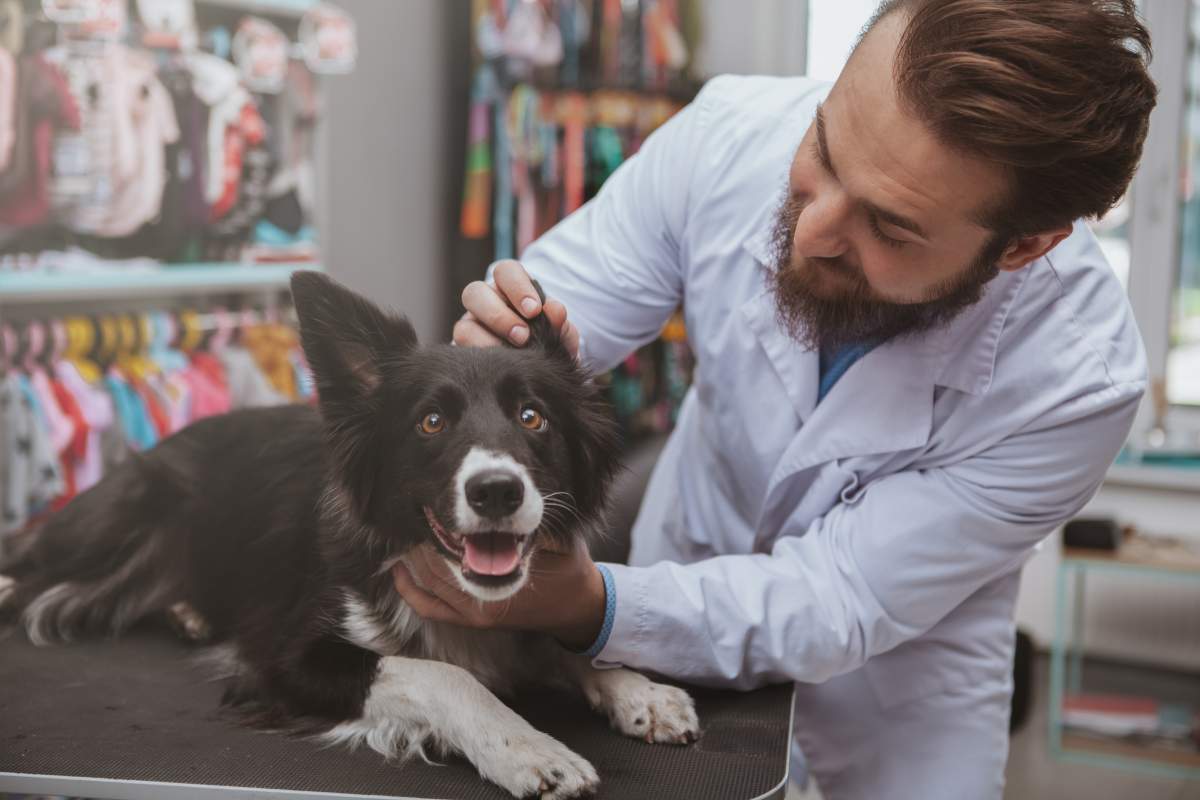
Most dogs can be washed safely in a bathtub, utility sink, or with a hose outdoors during warmer months. Essentials for an effective, low-stress bath include:
- Lukewarm water (not too hot or cold, especially in winter)
- Dog-specific mild shampoo, avoiding human or dish soaps
- Plenty of towels and a slip-resistant surface
- Thorough rinsing to prevent any leftover soap residue
For dogs uncomfortable with full baths, spot cleaning muddy paws and bellies after a walk can keep them comfortable and reduce bathing frequency.
Can Weather and Season Impact Bathing Routines?
Yes. In colder months, dogs dry more slowly indoors, raising the risk of chills. During snowy spells, it’s more practical to rinse paws or brush out salt and grime rather than give frequent full baths. In the summer, increased outdoor activity may require more regular washing, but quick rinses may suffice when dogs are only lightly dirtied.
Common Misconceptions About Dog Bathing
A few common myths include:
- Bathing always leads to healthier skin—overdoing it can cause dryness or irritation.
- Human shampoos are safe for dogs—most are too harsh.
- Frequent grooming replaces baths—while brushing removes dirt and loose fur, some odors and grime can only be resolved with water and shampoo.
What If Your Dog Hates Bath Time?
If your dog shows fear or stress at bath time, use slow introductions, treats, and a calm voice. Rubber mats can help prevent slips, and a detachable showerhead or cup makes rinsing easier. Keeping sessions positive and brief helps build better associations with bathing.
When Should You Consult a Veterinarian?
Most healthy dogs do not require special products or medical intervention for baths. However, dogs with persistent skin issues, allergies, or notable changes in odor should be evaluated to rule out underlying problems before adjusting their routine.