

How Can You Tell if Your Cat Might Be Sick?
Many cats in Youngstown, OH live primarily indoors and can be quite good at hiding discomfort or illness. Noticing changes in their routine or behavior is often the first sign something may be wrong. Common early indicators of sickness in cats include shifts in eating and drinking habits, altered grooming, sudden withdrawal or aggression, and changes in physical appearance or litter box habits. Recognizing these signs quickly allows area households to respond promptly, which is especially helpful in a climate with temperature swings and seasonal allergens that can impact feline health.
What Changes in Eating and Drinking Should Raise Concern?
A healthy cat’s appetite is usually consistent. Sudden loss of interest in food, eating much less, or skipping meals entirely can signal dental problems, kidney disease, infections, or pain. On the other hand, increased appetite—especially with weight loss—can sometimes point to conditions like diabetes or hyperthyroidism, which are not uncommon in indoor cats reaching their middle or senior years.
- Some cats may seek out water suddenly or, conversely, avoid it. Increased thirst may reflect underlying kidney issues or diabetes, while drinking much less can lead to dangerous dehydration, especially during dry winter months indoors in the city.
Are Changes in Grooming Habits a Sign of Illness?
Yes, shifts in grooming routines are often clues. Cats are naturally fastidious about their coats. If a formerly well-groomed cat begins to appear unkempt, develops mats, or emits a stronger than normal odor, this can signal pain, arthritis, obesity, or skin conditions that make self-care difficult.
- Excessive grooming or licking in focused areas may point to skin allergies (sometimes more noticeable during allergy-heavy spring and fall in the community), fleas, or stress.
- Watch for hairless patches or scabs, which might be an allergic or parasitic reaction influenced by indoor heating or seasonal pests within local homes.
How Does Behavior Change When a Cat Is Unwell?
A sudden change in temperament is worth attention. Many sick cats become withdrawn, hide more, or avoid social interactions. Normally friendly and sociable pets may become grumpy, vocal, or unusually clingy. These changes might reflect discomfort, fever, injury, or even the stress of neighborhood noise or environmental change.
- Hiding in unusual spots, reluctance to jump or climb, or avoiding favorite sleeping places could be subtle indicators of pain, especially joint or dental pain more common in aging cats living in area households.
What Are Important Litter Box Changes to Watch For?
Litter box habits offer some of the most immediate clues to your cat’s health. Straining to urinate, passing very small amounts, or making frequent unsuccessful trips to the box can be signs of urinary tract issues—urgent because these can worsen rapidly. Blood in urine or stool should always be considered a red flag.
- Accidents outside the litter box, particularly in previously litter-trained cats, can signal medical problems, anxiety following renovations, or changes to household routines common throughout different seasons in the city.
- Diarrhea, constipation, or hard stools may indicate gastrointestinal upsets, dietary intolerance, or dehydration due to increased indoor heating during winter months.
Do Changes in Activity Level Indicate Sickness?
Shifts in daily activity can be subtle but important. Cats may become lethargic, sleep much more, or show less interest in play. Some may pace, appear restless, or vocalize more than usual. While it’s normal for older cats to be less active, sudden or pronounced decreases in movement—especially in younger or previously playful pets—should not be ignored.
- In Youngstown households with more than one pet, it may take careful observation to notice these changes, as cats often mask illness when around other animals.
When Should You Be Especially Concerned?
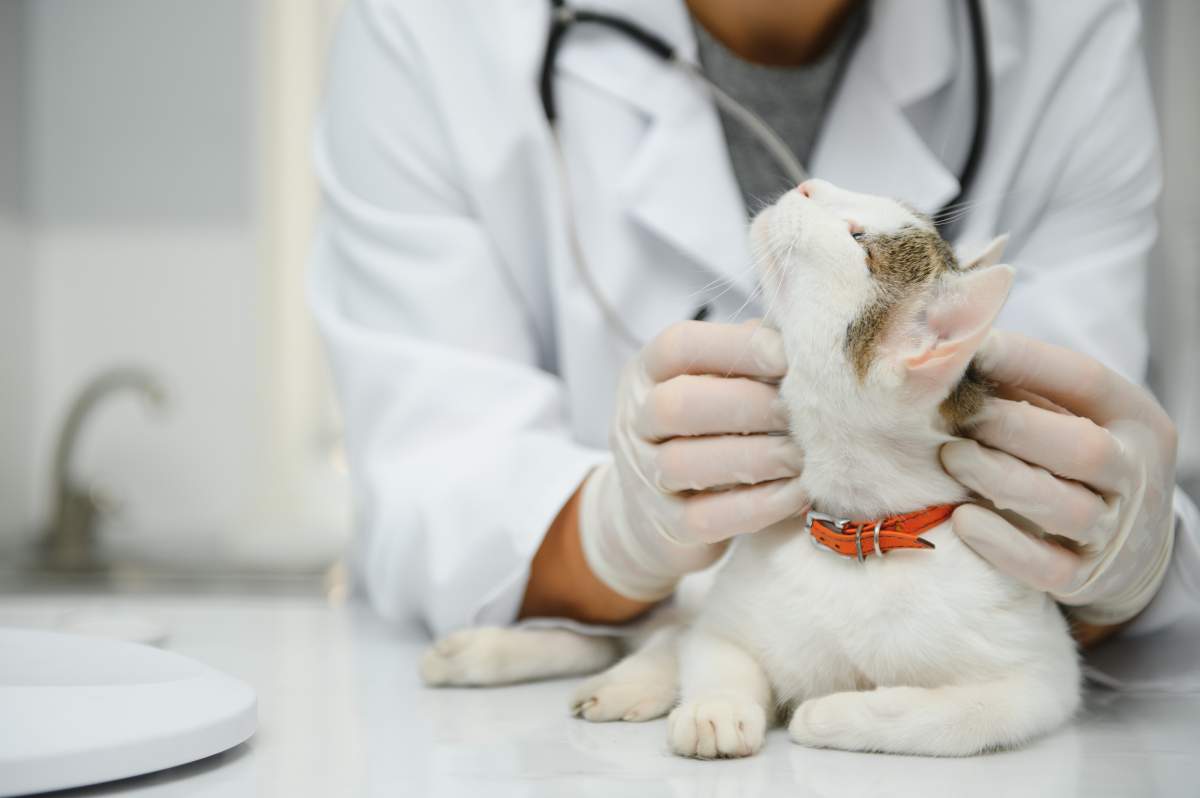
Some symptoms always require prompt attention, regardless of time of day or day of the week. These include:
- Severe breathing difficulties (open-mouth breathing, coughing, wheezing)
- Collapsing, severe weakness, or unresponsiveness
- Profuse vomiting or diarrhea
- Persistent loss of appetite for more than 24 hours, especially in rapidly growing kittens or elderly cats, where delayed intervention can have severe consequences
Certain conditions, such as urinary blockages in male cats, escalate quickly and may be triggered by stress, dietary changes, or cold snaps common to the region’s climate.
Are There Misconceptions or Overlooked Signs?
It’s a common belief among local pet owners that indoor cats rarely get sick. In reality, cats living exclusively indoors in the city are still at risk for chronic illnesses, infections, and age-related problems. Because most have limited exposure to outdoor hazards, subtle signs may go unnoticed.
- Some owners assume mild vomiting or “hairball” behavior is always harmless. However, repeated vomiting, loss of appetite, or lethargic behavior should never be ignored.
- Weight changes over time are another overlooked sign. Gradual weight loss may not be noticed until it’s severe, so regular monitoring and yearly checkups are helpful.
What Routine Can Households Follow to Spot Problems Early?
Residents in the community can catch illness earlier by establishing a daily routine of observation. Get familiar with your cat’s typical appetite, litter box usage, grooming habits, and behavior. Small journals or digital notes of unusual symptoms—especially during citywide seasonal shifts or after major household changes—can be useful for tracking trends over time.
- Check for changes in weight, breathing, or activity, and inspect fur, eyes, and gums regularly.
- Promptly addressing new or worsening symptoms helps ensure better outcomes for local feline companions, whether they spend time on porches, sunrooms, or entirely indoors.