

How Can You Prepare Your Home for a New Pet?
A successful introduction starts with preparation. Before bringing a new pet into your household, make sure your living space is safe and comfortable for them. This means identifying possible hazards and setting up spaces for eating, sleeping, and playing.
In the local climate, consider how seasonal changes affect your home's environment. Winters in Youngstown can be cold and snowy, so have a warm, draft-free sleeping area for pets, especially if adopting in late fall or winter. Pet-proofing means securing wires, keeping houseplants out of reach (since some are toxic to animals), and storing chemicals or medications where curious noses can’t explore.
For apartments and smaller spaces common in the city, designating specific pet-friendly zones helps keep both animals and belongings safe. A comfortable crate or bed in a quiet corner, litter boxes for cats away from noisy appliances, and easy access to water are all good considerations.
What’s a Good First Day Routine?
The transition on day one can set the tone. When the new pet arrives, keep introductions calm and low-key. Let the animal explore their new surroundings gradually, rather than allowing free run of the house immediately.
- Bring the pet home during a time when the household is relatively quiet; weekends or days off work are often best.
- Allow them to explore their designated area first before giving access to the rest of the home.
- Avoid inviting guests over for the first several days—this helps minimize stress on the animal.
Allowing the pet to acclimate at their own pace prevents overwhelm. Talking in gentle tones and offering treats or toys can help nervous animals feel more comfortable.
How Should You Handle Existing Pets?
Introducing a new animal to pets already in your home is a common concern among residents. Gradual introductions, not rushed meetings, are key to avoiding conflict.
For dogs:
- Use leashes and baby gates to allow limited, safe interaction at first.
- Supervise every moment of the initial introductions.
- Reward calm behavior on both sides with treats and praise.
For cats:
- Keep the new cat separated in a quiet room with their own food, water, and litter box for several days.
- Allow the animals to sniff each other’s scent through a closed door.
- Swap bedding between the pets to let them get used to each other’s smell before a face-to-face meeting.
Some animals may take a week or more to warm up to each other. Hissing, barking, or hiding at first is normal but monitor closely; any signs of aggression, such as growling or swatting, mean it’s time to slow down the process.
What if Children are in the Household?
If children live in the home, teaching them how to interact with the new pet is as important as the pet’s own adjustment. Young children might be excited and loud, which can make an anxious animal more uneasy.
- Explain how to approach the pet calmly and quietly.
- Demonstrate gentle petting and discuss boundaries—like not disturbing resting animals or approaching during eating.
- Supervise all initial interactions.
Some pets, particularly rescues or those with unknown histories, may need extra patience around children.
Are There Special Considerations for Local Housing Types?
Since many homes in Youngstown have yards while others are apartments without direct outdoor access, tailor your approach based on what kind of space you have.
For homes with outdoor space:
- Ensure fences are secure and gates stay closed.
- Check the yard for escape routes or any debris that might threaten animal safety.
- The proximity to parks and community green spaces can provide enrichment, but always use a leash for walks.
For apartments or condos:
- Establish a daily routine for exercising dogs—plan for more frequent walks in the neighborhood, especially during winter when outdoor time may otherwise be limited.
- Litter boxes or indoor play areas for cats and small animals are helpful in multi-story housing.
What Common Mistakes Do People Make?
A few preventable issues often cause unnecessary stress for new pets and their families:
- Granting full and immediate access to the entire residence, which can be overwhelming and lead to accidents or destructive behavior.
- Rushing pet introductions before animals (and people) are comfortable, increasing the chance of conflicts.
- Overfeeding treats to “win over” a nervous pet. Moderation is best.
- Expecting immediate bonding or perfect behavior—every animal has its own adjustment process.
Patience and observation are especially important. Monitor for eating or drinking issues, signs of fear, or destructive chewing and intervene early.
How Can You Support a Pet’s Emotional Health During the Transition?
Helping animals feel secure in a new home means providing routine, enrichment, and time to adjust. Stick with consistent feeding, walking, and resting schedules.
- Offer familiar objects such as blankets or toys if available, especially useful for pets coming from a previous home or foster care.
- Use gentle play and positive reinforcement during training rather than punishment.
- Know that some pets may hide, cry, or seem distant for several days or even weeks.
Weather in Youngstown affects animal comfort: short walks during cold snaps, cozy bedding, and reduced exposure to icy outdoor surfaces are all thoughtful accommodations for pets not accustomed to local winters.
When Should You Seek Additional Guidance?
In general, most challenges can be managed with time and observation. However, seek professional advice if:
- Aggression between animals escalates to biting or injuries.
- The pet refuses to eat or drink for more than 24 hours.
- There are repeated accidents in the home even with consistent training.
- Fearful or withdrawn behavior does not improve after several weeks.
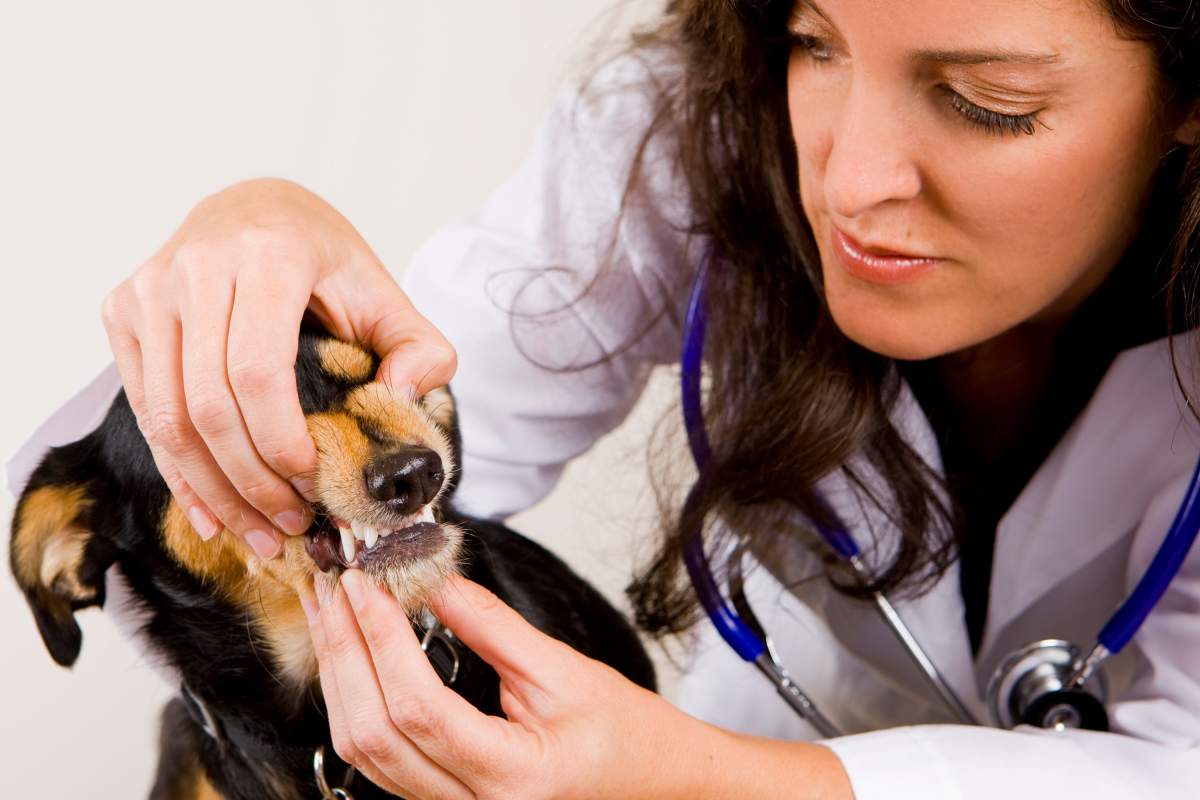
Local veterinarians, animal behaviorists, or public animal welfare programs can offer guidance if complications arise that are difficult to solve independently.