


Why Trim Your Pet’s Nails at Home?
Trimming your pet’s nails is an important part of their overall health. Overgrown nails can become painful, snag on carpeting, or splinter unexpectedly—especially for pets who spend most of their time indoors, as is common among area households in Youngstown, OH. Regular nail care can reduce the risks of mobility problems and secondary paw injuries.
How Often Do Most Household Pets Need Nail Trimming?
Most pets benefit from nail trims every 3-4 weeks, though this timing varies by activity level, age, and environment. Many dogs in the community don’t wear their nails down naturally due to sidewalks and backyard living. Cats, especially indoor-only cats, tend to need their claws clipped less often, but regular checks are wise to spot issues.
What Tools Work Best for At-Home Nail Trimming?
For dogs, manual guillotine or scissor-style nail clippers work well. For cats and small animals, opt for smaller, finely-sharpened clippers designed for delicate nails. Local stores carry a variety, but safety and fit—not price—matter most.
Essentials include:
- Clippers appropriate for your pet’s size
- Styptic powder or corn starch (for minor bleeding)
- A file or emery board to smooth edges
What’s the Best Way to Prepare Pets for a Nail Trim?
Before trimming, help your pet relax. Pick a quiet room to reduce distractions—basements and back rooms in single-family houses are often ideal because there’s less foot traffic.
If your pet is anxious:
- Let them sniff or gently mouth the clippers in advance.
- Offer a favorite treat as you handle their feet before starting.
- Practice by gently pressing on paws and exposing the nails a few days ahead of time.
Pets can sense stress, so patience pays off.
What Is the Proper Technique for Trimming Nails?
Start by lifting the paw and gently pressing to reveal the nail. Look for the pink quick in light-colored nails; it’s the sensitive area with nerves and blood vessels. Avoid cutting into the quick—trim just the hooked tip or the portion extending beyond the pad. For pets with dark nails where the quick isn’t visible, trim tiny amounts and check the cut surface after each snip: a gray or whitish center is generally safe; pink or darker coloration signals you are approaching the quick.
Hold clippers perpendicular to the nail, cut in a single smooth motion, and avoid crushing. Filing rough edges afterward prevents snagging.
What If You Accidentally Cut the Quick?
Minor bleeding is not uncommon. Apply styptic powder, corn starch, or even a bar of unscented soap directly to the tip to stop the bleeding. Most cases resolve quickly. If the bleeding is persistent or your pet is in pain, keep them calm and check for other injuries.
Are There Tips for Households With Multiple Pets or Kids?
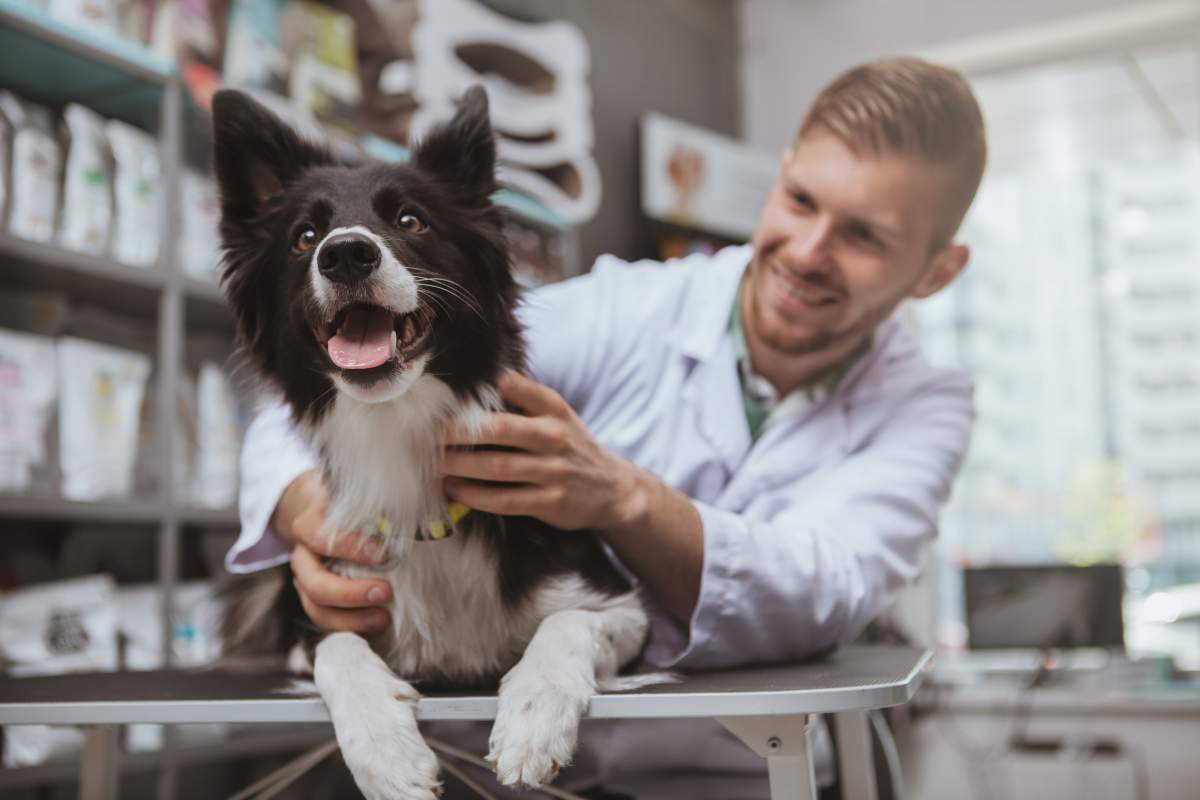
Trimming is smoother with two people—one to soothe, one to trim. When kids are present in the home, it’s best to have them watch from a safe distance until everyone is used to the process to avoid unintended movement or distractions.
For households with more than one pet, stagger trim days so nail care doesn’t become a major event. Short, positive mini-sessions create less stress than marathon grooming.
What Are Common Mistakes or Misconceptions?
- Waiting too long between trims makes the quick grow out, so keep intervals consistent.
- Assuming outdoor walks alone will file dog nails enough—this rarely suffices in local neighborhoods.
- Forgetting to check dewclaws (the thumb-like additional nail) which do not touch the ground and often overgrow.
- Trying to trim all nails at once in a wiggly pet—consider breaks or just a few nails at each session.
- Believing cats don’t require trimming. Even indoor cats’ nails benefit from occasional clips to prevent accidental snags and ingrown nails.
How Can You Tell If It’s Time to Trim Again?
If you hear your pet’s nails tapping across hardwood or tile, they’re likely overdue. Visual checks are best—nails should not protrude beyond the paw pad. For local dog owners, walks along area sidewalks or parks are a good place to check traction and nail length, as slipping or hesitancy may indicate discomfort.
What Local Factors Affect Pet Nail Care in Youngstown?
Seasonal weather in the city means many pets are indoors for long stretches, especially in winter. This reduces natural wear and tear on their nails, so trims are needed more often during rainy or cold seasons. Likewise, older homes and lush lawns in area neighborhoods provide softer ground outdoors, which doesn’t file nails as effectively as rough terrain.
If you share your home with senior pets or animals with arthritis, a non-slip surface or towel on your lap can make the process more comfortable for everyone.
What Are Signs You Should Seek Professional Help?
While most nail trims go smoothly, a few situations call for professional support: severe anxiety, ingrown or bleeding nails that won’t heal, or pets showing pain when walking. For those living with larger or strong-willed breeds, additional restraint or specialized equipment may be needed for everyone’s safety. Otherwise, gentle practice at home is typically safe and effective for most area households.