

Choosing pet food is less about finding the most expensive package or the most attractive ingredient list and more about matching a nutritionally complete diet to an animal’s age, health, activity level, and body condition. For households in Youngstown, seasonal temperature changes, indoor living, and varying activity levels can also affect how much food a pet needs.
What should the label say?
The most useful starting point is the nutritional adequacy statement, usually printed in small lettering on the back or side of the package. Look for wording that says the food is “complete and balanced” for a specific life stage.
This statement means the food is intended to provide all required nutrients when fed as directed. The label should also identify whether the food is meant for:
- Growth, including puppies and kittens
- Adult maintenance
- Gestation or lactation
- All life stages
A puppy, kitten, pregnant animal, or nursing mother has different nutritional requirements from a healthy adult. Senior pets may not always need a food labeled “senior,” but they may benefit from adjustments based on weight, muscle condition, kidney function, dental health, or other medical concerns.
Foods labeled for “intermittent or supplemental feeding only” are not designed to serve as the main diet. This wording may appear on toppers, treats, broths, supplements, and some specialty products.
How do ingredient lists and marketing claims fit in?
Ingredient lists can provide useful information, but they do not tell the entire story about nutritional quality. Ingredients are listed by weight before processing, so ingredients with high water content may appear near the top even though their final contribution is different after cooking.
Claims such as “natural,” “holistic,” “premium,” “ancestral,” or “grain-free” do not automatically mean a food is more nutritious. Likewise, the presence of a named meat at the beginning of the list does not by itself prove that the food is appropriate for a particular pet.
A better approach is to ask:
- Is the food complete and balanced?
- Is it intended for the correct species and life stage?
- Does the calorie content fit the animal’s needs?
- Does the pet maintain a healthy weight and normal stool on the diet?
- Can the household feed it consistently and store it safely?
Dogs and cats also have different nutritional needs. A cat should not be maintained on dog food, and a dog may not receive the nutrients required from cat food as a regular diet.
Is dry food, canned food, fresh food, or raw food best?
There is no single format that is ideal for every healthy pet. Dry food is convenient, generally calorie-dense, and easy to measure. Canned food contains much more water, which can help increase total fluid intake and may be useful for pets with dental, appetite, or hydration concerns.
Some households combine wet and dry food. That can work, but the calories from both products must be counted. A pet that receives a full portion of dry food plus a full portion of canned food may gain weight even if each label appears reasonable on its own.
Fresh or refrigerated foods can be nutritionally adequate when properly formulated and handled, but freshness does not automatically equal completeness. Raw diets deserve particular caution because they may carry harmful bacteria, create nutritional imbalances, and expose people or other animals in the household to contamination. Young children, older adults, pregnant people, and anyone with a weakened immune system may face greater risk from foodborne organisms.
Homemade diets should not be improvised from online recipes or general nutrition advice. Meat, rice, vegetables, and supplements may seem wholesome but can lack essential vitamins, minerals, fatty acids, or the correct calcium-to-phosphorus balance.
How much food should a pet receive?
Feeding directions are a starting point, not a fixed prescription. They are commonly based on body weight and may not account for differences in metabolism, neuter status, breed, activity, or medical conditions.
Measure portions rather than filling a bowl by guesswork. A standard measuring cup is more reliable than a scoop, especially for small dogs and cats where a few extra tablespoons each day can cause gradual weight gain.
Treats, dental chews, table food, pill pockets, and training rewards all contribute calories. In general, treats should make up only a small portion of daily intake. If treats are used frequently, reduce the regular meal slightly or choose lower-calorie rewards.
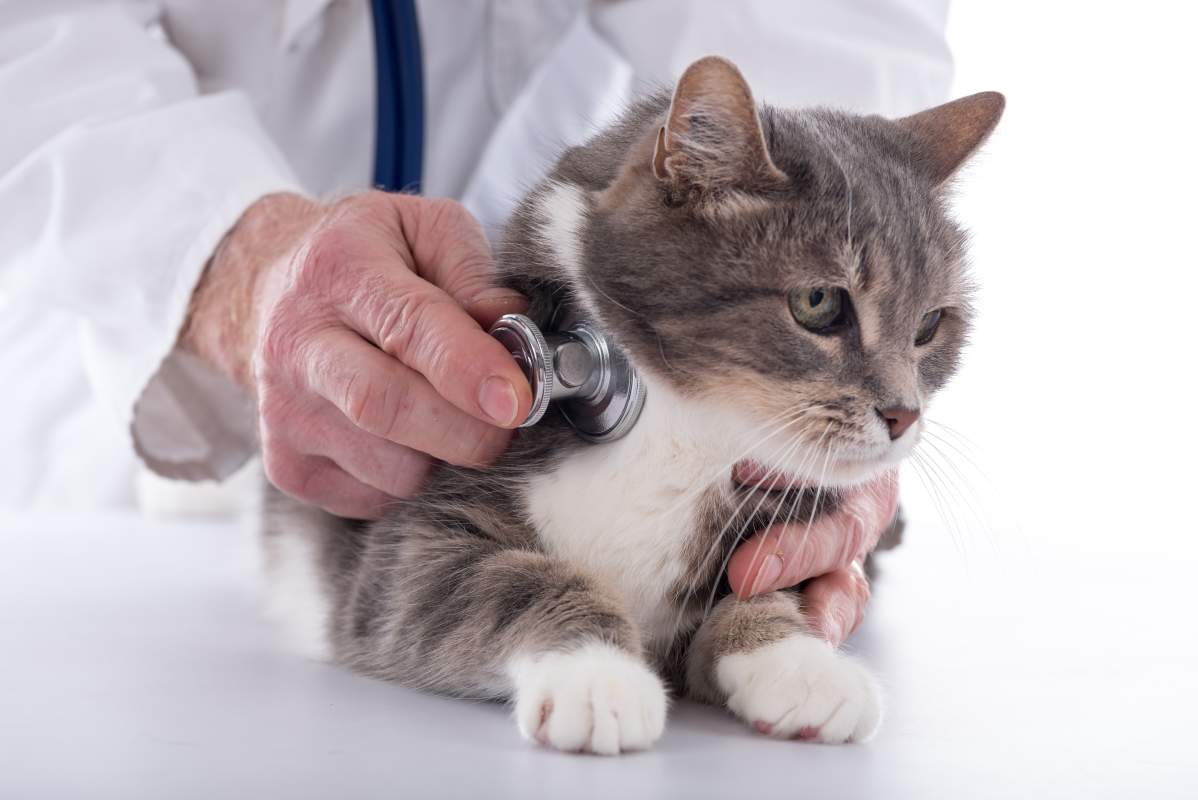
The pet’s body condition matters more than the number printed on the package. Ribs should be easy to feel without being prominently visible in most pets. A noticeable waist viewed from above and an abdominal tuck viewed from the side are usually signs of appropriate body condition, although normal shape varies by species and individual.
Indoor pets may need fewer calories during cold months if they spend most of their time inside and exercise less. Conversely, a working dog or an animal that spends substantial time outdoors may require more food, but increases should be gradual and based on body condition.
When does a pet need a special diet?
A therapeutic or prescription diet may be appropriate for conditions such as kidney disease, urinary problems, food allergies, diabetes, pancreatitis, obesity, or certain digestive disorders. These diets are formulated for specific medical purposes and should not be substituted casually with a similarly advertised over-the-counter product.
Food allergies are often misunderstood. Itching, ear infections, vomiting, or diarrhea can have many causes, including parasites, environmental allergies, infections, and other diseases. Changing foods repeatedly can make it harder to identify the real problem.
A veterinarian-guided elimination diet is usually more reliable than switching among several limited-ingredient foods. If a pet has repeated vomiting, persistent diarrhea, unexplained weight loss, increased thirst, difficulty urinating, or a sudden change in appetite, nutrition changes should not delay medical evaluation.
How should food be changed?
Switch food gradually over about seven days unless a veterinarian gives different instructions. Begin with mostly the current food and a smaller amount of the new food, then increase the new portion step by step.
A sudden change can cause loose stool or refusal to eat, even when the new food is appropriate. If digestive upset develops, slow the transition. Cats can be particularly sensitive to abrupt changes and should not be allowed to go without eating for an extended period.
Store food in a cool, dry place, keep the package sealed, and wash food and water bowls regularly. For canned food, refrigerate unused portions promptly and follow the package’s storage guidance. Check expiration dates and keep the original packaging or lot information in case a product needs to be identified later.
What is the simplest decision process?
For most healthy pets, the selection process can be narrowed to five steps:
- Choose food made for the correct species.
- Confirm a complete-and-balanced statement for the proper life stage.
- Compare calorie information and feeding directions.
- Adjust portions according to body condition and activity.
- Monitor stool quality, appetite, coat, energy, and weight over time.
The best diet is one that meets nutritional requirements, suits the animal’s health, and can be fed consistently. Labels provide a useful starting point, but a pet’s changing body condition and medical history are what determine whether the diet is working well.